Blog

  • Toraja food guide: traditional dishes you should try

    Toraja food guide highlights the unique culinary traditions of Toraja, where vibrant flavors and cultural significance converge. Key dishes to try include:

    – **Pa’piong**: Grilled meat wrapped in banana leaves.
    – **Coto Ria**: A hearty beef soup with local spices.
    – **Bubur Tinutuan**: A savory rice porridge with vegetables.

    Understanding Toraja Cuisine

    Toraja, located in the highlands of South Sulawesi, Indonesia, is not only famous for its intricate funeral rites and traditional houses but also for its unique and flavorful cuisine. The Toraja food guide serves as a gateway to understanding the region’s rich culinary heritage, which is deeply intertwined with its culture and traditions. Here, we explore must-try traditional dishes that reflect the local ingredients and cooking techniques.

    Key Ingredients in Toraja Cuisine

    The foundation of Toraja cuisine is built on several core ingredients:

    • Rice: A staple in every meal, often served with various side dishes.
    • Meat: Primarily pork, chicken, and beef, often prepared in traditional ways.
    • Herbs and Spices: Local spices such as ginger, turmeric, and lemongrass play a significant role in flavoring dishes.
    • Vegetables: Fresh, local vegetables are commonly used, enhancing the nutritional value of meals.

    These ingredients create a distinctive flavor profile that sets Toraja cuisine apart from other Indonesian culinary traditions.

    Must-Try Dishes in Toraja

    Below are some traditional dishes that embody the essence of Toraja’s culinary landscape.

    1. Pa’piong

    Pa’piong is a signature dish of Toraja, featuring meat—often pork or chicken—marinated in spices and then wrapped in banana leaves. The wrapped meat is grilled over an open flame, allowing the flavors to meld beautifully. The smoky aroma and tender texture make this dish a favorite among locals and visitors alike.

    2. Coto Ria

    Coto Ria is a hearty beef soup that is rich in flavor and history. Made with a blend of spices, including coriander, garlic, and ginger, this dish is typically served with rice and a side of fried shallots. The slow-cooked beef becomes tender and infuses the broth with its essence, creating a comforting meal that warms the soul.

    3. Bubur Tinutuan

    Bubur Tinutuan is a savory rice porridge, often enjoyed for breakfast. It combines rice with various vegetables such as sweet potato, spinach, and green onions. This dish is traditionally served with a side of fried fish or tempeh, offering a nutritious and filling start to the day.

    4. Nasu Palekko

    Nasu Palekko is a traditional Toraja dish that showcases the region’s affinity for pork. The meat is marinated with spices and cooked with a variety of local herbs, creating a rich and flavorful dish. It is often served during special occasions and family gatherings, symbolizing unity and festivity.

    5. Roti Kacang

    Roti Kacang, or peanut bread, is a sweet treat made from a dough enriched with ground peanuts. This dish is commonly enjoyed as a snack or dessert and is often paired with a cup of coffee or tea. The crunchy texture and nutty flavor make it a delightful addition to any meal.

    6. Tinutuan (Vegetable Porridge)

    Another popular variant of porridge in Toraja is Tinutuan, a blend of rice and various vegetables cooked together. This dish is often seasoned with local spices and is a healthy option for those looking for a light meal. Tinutuan reflects the agricultural abundance of the region and is a staple in many households.

    Traditional Beverages

    Alongside the food, Toraja offers a variety of traditional beverages that complement its culinary offerings.

    1. Kopi Toraja

    Kopi Toraja is a renowned coffee produced in the region, known for its rich flavor and aroma. Grown in the highlands, the coffee beans are carefully harvested and processed, resulting in a unique brew that coffee enthusiasts appreciate. It is often enjoyed black or with a splash of milk.

    2. Tuak

    Tuak is a traditional alcoholic beverage made from fermented rice or palm sap. This drink is often served during ceremonies and celebrations, symbolizing hospitality and community spirit. Tuak is typically sweet and has a low alcohol content, making it a popular choice among locals.

    Dining Etiquette in Toraja

    Understanding local dining etiquette is crucial for a respectful and enjoyable experience. Here are some key points to keep in mind:

    • Meals are often communal, with shared dishes placed at the center of the table.
    • It is customary to eat with the right hand, as the left hand is considered impolite for eating.
    • Guests are offered the best pieces of meat as a sign of respect and hospitality.

    Embracing these customs enhances the dining experience and fosters connections with the local culture.

    Where to Experience Toraja Cuisine

    To fully appreciate Toraja’s culinary landscape, consider visiting local markets and traditional eateries. These venues offer authentic dishes prepared by locals using time-honored techniques.

    1. Local Markets

    Visiting local markets is an excellent way to experience the vibrant food culture. Markets in Toraja are bustling with vendors selling fresh produce, spices, and traditional snacks. Sampling street food can also introduce you to various flavors and dishes unique to the region.

    2. Warung

    Warung, or small family-owned restaurants, serve authentic Toraja food at reasonable prices. Dining at a warung allows you to enjoy homemade meals in a casual setting. Engaging with the owners can provide insights into local culinary traditions and cooking methods.

    Planning Your Culinary Journey in Toraja

    When planning your culinary journey in Toraja, consider the following:

    • Best Time to Visit: The dry season (May to September) is ideal for exploring the region and indulging in local cuisine.
    • Budget: Meals typically range from $1 to $10, depending on the venue and dish.
    • Tour Packages: Look for cultural heritage tours that include culinary experiences, allowing for a deeper understanding of Toraja’s food culture.

    Discover the Unique Flavors of Toraja: An Insider’s Guide

    For a true taste of Toraja, don’t miss the opportunity to try Pa’piong, a dish traditionally prepared in bamboo with a mix of meat, vegetables, and rich spices, offering a unique blend of flavors. Another must-try is Coto Ria, a comforting soup made from a diverse range of spices and tender beef, perfect for those seeking warmth and depth in a meal. For those with a sweet tooth, the delightful Roti Kacang is a local favorite, combining roasted peanuts and a hint of sweetness in a satisfying bite. To further enrich your culinary journey, consider visiting the bustling local markets where these dishes are often prepared with fresh, locally sourced ingredients. For more on Toraja culture and travel tips, check out this Toraja Cultural Tourism website.

  • Photography tips for capturing Toraja’s culture and landscapes

    Capturing the essence of Toraja’s culture and landscapes requires skill and preparation. Here are key photography tips to enhance your experience:
    • Utilize natural light for portraits and landscapes.
    • Engage with locals to document authentic cultural practices.
    • Plan your visit during the best seasons for lighting and festivals.

    Understanding Toraja’s Culture

    Toraja, located in Sulawesi, Indonesia, is renowned for its rich cultural heritage, characterized by unique traditions, vibrant festivals, and distinct architecture. To effectively capture this culture through photography, it is essential to understand the local customs and practices. Engaging with local communities can provide valuable insights and access to authentic experiences.

    Research Before You Go

    Prior to your trip, invest time in researching Toraja’s culture, including traditional ceremonies, funeral rites, and daily life. Understanding these aspects will allow you to anticipate photographic opportunities. For instance, the elaborate funeral ceremonies held within the region can result in compelling imagery. Keep an eye on the local calendar to plan your visit around significant events.

    Best Seasons for Photography

    Timing can significantly affect your photography results. The best months to visit Toraja for photography are usually from May to September, coinciding with the dry season. During this time, the landscapes are lush, and the weather is more predictable. Additionally, this period often features numerous cultural festivities, offering a wealth of subjects to photograph.

    Key Seasonal Events

    • Ramadan and Eid al-Fitr: A time of celebration with vibrant gatherings.
    • Funeral Ceremonies: Elaborate and public, these events are central to Toraja culture.
    • Paddy Harvest: Typically occurs from June to August, showcasing local agricultural practices.

    Camera Equipment and Settings

    Choosing the right camera equipment and settings can make a significant difference in your photography. If you are serious about capturing Toraja’s landscapes and culture, consider the following:

    Essential Gear

    • Camera: A DSLR or mirrorless camera with manual settings is recommended for greater control over exposure.
    • Lenses: A versatile zoom lens (24-70mm) is ideal for both landscape and portrait photography. A wide-angle lens (16-35mm) is beneficial for capturing expansive landscapes.
    • Tripod: Useful for stability, especially in low-light conditions or during long exposure shots.

    Recommended Settings

    Consider these settings to optimize your photography:

    • Aperture: Use a wide aperture (f/2.8-f/5.6) for portraits to achieve a blurred background; a smaller aperture (f/11-f/16) for landscapes to ensure depth of field.
    • ISO: Keep ISO low (100-400) in bright conditions; increase in low-light scenarios, but be mindful of noise.
    • Shutter Speed: Use a faster shutter speed (1/125s or faster) for moving subjects, such as during ceremonies.

    Utilizing Natural Light

    Natural light plays a critical role in photography. Early mornings and late afternoons (the golden hour) provide soft, warm light that enhances the quality of images. Aim to shoot during these times to capture vibrant colors and pleasing shadows.

    Overcast Days

    While the golden hour is ideal, don’t overlook overcast days. The diffuse light can be excellent for portraits, as it reduces harsh shadows and highlights. This lighting condition can also bring out the rich colors of Toraja’s landscapes without the glare of direct sunlight.

    Engaging with the Local Community

    Building rapport with the locals can lead to more authentic photographs. Approach individuals respectfully and explain your interest in their culture. Many locals appreciate the attention and may allow you to photograph them, especially during festivals and daily activities.

    Ethical Considerations

    When photographing in Toraja, it’s crucial to respect cultural norms and sensitivities. Always ask for permission before photographing individuals, especially during private or sacred events. Understanding the local customs will help you build trust and foster positive interactions.

    Capturing Landscapes

    Toraja is characterized by its striking landscapes, including rice terraces, mountains, and traditional houses (Tongkonan). Here are tips for capturing these unique features:

    Composition Techniques

    • Rule of Thirds: Position key elements along imaginary lines for a balanced composition.
    • Leading Lines: Use pathways, rivers, or fences to guide the viewer’s eye through the image.
    • Foreground Interest: Incorporate elements like flowers or rocks in the foreground to create depth.

    Exploring Different Perspectives

    Diverse angles can yield unique interpretations of a scene. Experiment with high and low perspectives, and don’t hesitate to get close to your subject. This approach can highlight details often missed in wider shots.

    Editing Your Photos

    Post-processing can enhance your images and bring out the true essence of Toraja’s landscapes and culture. Consider using software like Adobe Lightroom or Photoshop to adjust exposure, contrast, and colors. Be careful not to over-edit, as maintaining a natural look is essential, especially for cultural photography.

    Sharing Your Work

    Once your photos are edited, consider sharing them on platforms like Instagram or photography blogs. Tagging locations and using relevant hashtags (like #Toraja or #TorajaPhotographyTips) can help you connect with other photographers and travelers interested in Toraja.

    Conclusion

    Photography in Toraja is an opportunity to capture the vibrant culture and striking landscapes of this unique region. By understanding local traditions, choosing the right equipment, and engaging respectfully with the community, you can create compelling images that reflect the heart of Toraja. Prepare for your trip with these tips, and ensure you make the most of your photography experience.

    For those looking to explore Toraja, visit torajatourpackage.com for various travel experiences, including cultural heritage tours and adventure trips tailored to different budgets.

  • Best sunrise and sunset viewpoints in Toraja

    Toraja offers several prime viewpoints for witnessing spectacular sunrises and sunsets, perfect for any traveler looking to embrace nature’s beauty. Here are three top spots:
    – **Puncak Lakawan:** Ideal for sunrise, offering panoramic views.
    – **Buntu Kabang:** A popular sunset destination with vibrant skies.
    – **Buntu Lobo:** Known for its cultural significance and scenic vistas.

    Puncak Lakawan: The Perfect Sunrise Spot

    Puncak Lakawan stands out as one of the premier sunrise spots in Toraja. Located approximately 10 kilometers from Rantepao, it provides a clear view of the surrounding hills and valleys as the sun rises. Visitors typically begin their journey before dawn, often around 5 AM, to ensure they arrive in time for the spectacle.

    The trek to Puncak Lakawan is manageable, making it suitable for most travelers. The area is accessible via a short hike, and local guides are available for hire. This viewpoint is free to enter, making it an affordable option for all. Travelers can expect a temperature of around 20°C in the early morning, so a light jacket is advisable.

    What to Bring

    • Camera for photography
    • Water and snacks
    • Comfortable footwear

    Buntu Kabang: A Vibrant Sunset Experience

    Buntu Kabang is another exceptional viewpoint in Toraja, renowned for its striking sunsets. Located about 15 kilometers from Rantepao, this spot offers a view of the sun dipping below the horizon, casting vibrant colors across the sky and landscape.

    Visitors can access Buntu Kabang via a short drive followed by a brief hike. The area is open to the public, and no entry fee is required. The best time to arrive is around 5 PM to secure a good spot for viewing. During sunset, temperatures can cool down to about 18°C, so travelers should dress accordingly.

    Local Amenities

    • Nearby food stalls for local snacks
    • Rest areas with seating
    • Guided tours available for larger groups

    Buntu Lobo: Cultural and Scenic Views

    Buntu Lobo is unique not only for its views but also for its cultural significance. About 12 kilometers from Rantepao, this viewpoint is known for its proximity to traditional Torajan villages, where visitors can experience local culture alongside the natural beauty.

    The best times for viewing are either at sunrise or sunset, with both offering distinct experiences. Arriving early in the morning allows travelers to witness the mist rising over the valleys, while the evening provides a spectacular backdrop for photographs. Access to Buntu Lobo is free, and the site is popular among tourists and locals alike.

    Recommended Activities

    • Participate in local cultural events
    • Explore nearby traditional houses
    • Enjoy a picnic while watching the sunset

    Additional Sunrise and Sunset Spots

    While the aforementioned viewpoints are the most popular, there are several other locations in Toraja worth exploring for unique sunrise and sunset experiences. Consider the following:

    • Pasola Hill: A moderate hike leads to this viewpoint, popular for its sweeping views of the Toraja landscape during both sunrise and sunset.
    • Te’ne Hill: Located near the village of Kete Kesu, this spot offers striking panoramic views, particularly during the early morning hours.
    • Rantepao City Center: For those who prefer a more urban setting, the city center provides accessible viewpoints where you can enjoy sunset vistas.

    Best Seasons for Sunrise and Sunset Viewing

    The optimal time to visit Toraja for sunrise and sunset viewpoints is during the dry season, which runs from May to September. During this period, the weather is generally clear, offering excellent visibility for photography and enjoyment of the scenery.

    In contrast, the rainy season spans from November to March, which can result in cloud cover and less favorable conditions for viewing. However, the landscape during this season can be lush and vibrant, offering a different perspective.

    Practical Tips for Travelers

    When planning your visit to sunrise and sunset viewpoints in Toraja, consider the following tips to enhance your experience:

    • Timing: Arrive at least 30 minutes before sunrise or sunset to find a good spot and set up your camera.
    • Local Guides: Hiring a local guide can enrich your experience, providing insights into the cultural and natural significance of the area.
    • Respect Local Culture: Toraja is rich in cultural heritage. Be respectful of local customs, especially when visiting villages.

    Tailor Your Toraja Viewpoint Experience

    Wake up early to visit Puncak Lakawan, where the sunrise paints the sky with hues that photographers dream about. Capture the morning mist that envelops the landscape, creating a surreal atmosphere. For a cultural twist, head to Buntu Lobo in the evening, where the sunset casts a golden glow over traditional Torajan architecture, offering a perfect blend of nature and heritage.

    To maximize your experience in Toraja, book a customized tour with Toraja Tour Package. With diverse options fitting various budgets, they ensure that your journey through Sulawesi’s breathtaking vistas is both memorable and seamless.

  • Best Toraja trekking routes through rice terraces and villages

    The best Toraja trekking routes showcase the region’s striking rice terraces and vibrant villages. Ideal for adventure seekers and cultural enthusiasts, these routes highlight Toraja’s rich heritage and natural beauty.
    – Explore lush rice paddies and traditional villages.
    – Suitable for various fitness levels.
    – Best trekked in the dry season, from May to September.

    Overview of Toraja Region

    Toraja, located in South Sulawesi, Indonesia, is renowned for its unique culture, traditional wooden houses, and striking landscapes. The region’s highlands feature rolling hills, lush rice terraces, and traditional villages that offer an immersive experience of local customs and agricultural practices. Trekking in Toraja not only provides an opportunity to explore these natural wonders but also allows travelers to engage with the local community and learn about their rich heritage.

    Best Toraja Trekking Routes

    1. Rantepao to Kete Kesu

    The trek from Rantepao to Kete Kesu is one of the most popular routes in Toraja. Kete Kesu is known for its traditional Tongkonan houses and ancient burial sites. This 10-kilometer trek typically takes around 4-5 hours.

    • Distance: 10 km
    • Duration: 4-5 hours
    • Difficulty: Moderate

    Along the route, trekkers will pass through picturesque rice terraces, interact with local farmers, and witness the intricate process of rice cultivation. The trail is well-marked, making it accessible for those with moderate fitness levels. Upon arrival in Kete Kesu, visitors can explore traditional funeral sites and learn about the Torajan customs surrounding death.

    2. Batutumonga Trek

    Batutumonga is a popular trekking destination that offers striking views of the surrounding mountains and valleys. The trek usually begins in Rantepao and leads to the highland village of Batutumonga, known for its panoramic views of the rice terraces.

    • Distance: 12 km
    • Duration: 5-6 hours
    • Difficulty: Moderate to challenging

    This route is particularly rewarding during the sunrise or sunset, as the golden light illuminates the rice fields. Along the way, trekkers can visit local villages, interact with residents, and gain insight into the traditional Torajan way of life. It’s advisable to carry enough water and snacks, as amenities are limited.

    3. Rantepao to Sadan Beach

    This trek takes you from the highlands of Rantepao to the coastal area of Sadan Beach, offering a diverse landscape and cultural experience. The total distance of this trek is approximately 20 kilometers and can be completed in about 7-8 hours.

    • Distance: 20 km
    • Duration: 7-8 hours
    • Difficulty: Challenging

    As you descend from the highlands, you’ll encounter various villages and terraced rice fields. The transition from the mountains to the beach is marked by a change in scenery, showcasing the diverse ecosystems of Toraja. This trek is ideal for experienced hikers looking for a full-day adventure.

    4. Palawa Village Trek

    The Palawa Village trek is a shorter, more accessible option for those who may not have the time for longer hikes. This trek is around 5 kilometers long and typically takes 2-3 hours to complete.

    • Distance: 5 km
    • Duration: 2-3 hours
    • Difficulty: Easy

    Starting from Rantepao, this route leads to the traditional village of Palawa, where visitors can observe the iconic Tongkonan houses and learn about the village’s history and customs. This trek is suitable for families and those looking for a leisurely stroll through the countryside.

    5. Londa Cave Trek

    The trek to Londa Cave, an important cultural and historical site, is another must-do for trekkers in Toraja. The cave is famous for its ancient burial sites and wooden effigies of the deceased.

    • Distance: 8 km
    • Duration: 3-4 hours
    • Difficulty: Moderate

    This trek offers a combination of natural beauty and cultural exploration. As you walk towards Londa, you will pass through lush rice paddies and local settlements. The cave itself is an extraordinary site, with its fascinating history and spiritual significance to the Torajan people. Guided tours are available to provide deeper insights into the cultural aspects of the site.

    Best Time to Trek in Toraja

    The ideal time to begin trekking adventures in Toraja is during the dry season, which runs from May to September. During this period, the weather is typically clearer, and the paths are less muddy, making for easier trekking conditions. The rice terraces are also at their most vibrant and green, enhancing the visual experience.

    While trekking during the rainy season (October to April) is possible, it is advisable to check the local weather conditions and prepare for potential challenges such as slippery trails and heavy rain.

    Tips for Trekking in Toraja

    • Footwear: Wear comfortable trekking shoes suitable for uneven terrain.
    • Hydration: Carry sufficient water, as access to clean drinking water can be limited.
    • Local Guides: Consider hiring a local guide for an enriched experience, as they can provide valuable insights into the culture and environment.
    • Respect Local Customs: Be mindful of local customs and practices, especially when visiting villages and cultural sites.

    Choosing the Right Toraja Trekking Route for Your Skill Level

    When embarking on a trek through Toraja, the journey can lead you through cascading rice terraces and into the heart of traditional villages. For instance, the route from Batutumonga to Lokomata offers moderate trails with stunning panoramic views and insights into local customs. Meanwhile, the trek from Tikala to Lempo suits those seeking a more challenging adventure, winding through rugged terrains and remote communities. Each path reveals a unique facet of Torajan culture, making it essential to select a trek that matches your abilities and interests.

    For more information on trekking packages and guided tours in Toraja, visit torajatourpackage.com.

  • Visiting Toraja coffee plantations and tasting local beans

    Visiting Toraja coffee plantations offers a unique experience for coffee lovers and cultural enthusiasts alike. Here are key highlights:

    • Explore diverse coffee varieties and cultivation methods.
    • Taste fresh local beans with distinct flavors.
    • Engage with local farmers and learn about their traditions.

    Introduction to Toraja Coffee Culture

    Toraja, located in the highlands of Sulawesi, Indonesia, is not only known for its rich cultural heritage and unique funeral traditions but also for its thriving coffee industry. The region’s altitude, climate, and volcanic soil create ideal conditions for growing high-quality coffee. Toraja coffee plantations are an integral part of local life, providing both economic support and cultural significance to the Toraja people.

    Why Visit Toraja Coffee Plantations?

    Visiting Toraja coffee plantations offers travelers an opportunity to explore the intricate relationship between the land, the people, and the coffee they produce. Here are some compelling reasons to include this experience in your itinerary:

    1. Unique Coffee Varieties

    Toraja is famed for its Arabica coffee, particularly the Toraja Kalossi variety, which is known for its rich flavor profile. The beans often exhibit a complex taste with notes of chocolate, spices, and a hint of fruitiness. This unique flavor is attributed to the region’s specific growing conditions and traditional processing methods.

    2. Cultural Interaction

    Interacting with local farmers provides insight into the traditional practices of coffee cultivation and processing. You will learn about the various stages of coffee production, from planting to harvesting and roasting. Many farmers are eager to share their knowledge, showcasing the cultural significance of coffee in their daily lives.

    3. Scenic Landscapes

    The coffee plantations are set against the backdrop of lush green hills and striking terraced landscapes, offering picturesque views that enhance the overall experience. The beauty of the region is a perfect complement to the rich aroma of freshly brewed coffee.

    Best Time to Visit Toraja Coffee Plantations

    The best time to visit Toraja is during the dry season, which typically lasts from April to October. During this period, the weather is more predictable, making it ideal for exploring the plantations and engaging in outdoor activities. The peak coffee harvest season occurs from June to September, allowing visitors to witness the coffee picking process firsthand.

    What to Expect on a Coffee Plantation Tour

    When you arrive at a Toraja coffee plantation, you can expect a comprehensive experience that includes the following:

    1. Guided Tours

    Most plantations offer guided tours, where knowledgeable guides will take you through the coffee-growing process. They will explain the importance of altitude, climate, and soil conditions in producing high-quality coffee.

    2. Coffee Tasting Sessions

    After the tour, you can participate in tasting sessions, where you will sample different coffee varieties. This is an excellent opportunity to compare flavors and learn about the nuances that differentiate Toraja coffee from other regions.

    3. Hands-On Experience

    Some plantations allow visitors to engage in hands-on activities, such as picking coffee cherries or participating in the roasting process. This interactive experience deepens your understanding of the labor and skill involved in coffee production.

    Popular Coffee Plantations to Visit

    Several coffee plantations in Toraja are known for their exceptional quality and welcoming atmosphere. Here are a few notable ones:

    1. Luwak Coffee Toraja

    This plantation specializes in Luwak coffee, which is made from beans that have been digested and excreted by the civet cat. Visitors can learn about this unique process and sample the coffee, which is renowned for its smooth flavor and low acidity.

    2. Tana Toraja Coffee Plantation

    Located at the centre of Toraja, this plantation offers guided tours and tastings. The owners are passionate about sustainable farming practices and are eager to share their knowledge with visitors.

    3. Toraja Coffee Farm

    This farm provides a comprehensive experience that includes tours, tastings, and the opportunity to purchase freshly roasted beans. They focus on organic farming methods, ensuring that their products are both high-quality and environmentally friendly.

    How to Get There

    Reaching Toraja is straightforward, though it requires some planning. The nearest major airport is in Makassar, which is approximately an 8-10 hour drive from Toraja. From Makassar, you can hire a car or take a bus to Rantepao, the capital of Toraja.

    Transportation Options

    – **Car Rentals**: Renting a car is a flexible option that allows you to explore the region at your own pace.
    – **Bus Services**: Various bus companies operate between Makassar and Toraja, offering an economical way to travel.
    – **Private Tours**: Many tour operators provide packages that include transportation, making it easy to visit multiple plantations.

    Costs and Budgeting

    Visiting Toraja coffee plantations is generally affordable. Here are some costs to consider:

    1. Tour Fees

    – Guided tours typically cost between IDR 50,000 to IDR 150,000 per person, depending on the plantation and the length of the tour.
    – Coffee tasting sessions may have an additional fee, averaging around IDR 30,000 to IDR 80,000.

    2. Transportation Costs

    – Bus fares from Makassar to Toraja range from IDR 150,000 to IDR 250,000.
    – Car rental prices start around IDR 500,000 per day, excluding fuel.

    3. Accommodation

    – Accommodation options in Toraja vary from budget guesthouses (starting at IDR 200,000 per night) to mid-range hotels (around IDR 600,000 to IDR 1,000,000 per night).

    Engage with Toraja’s Coffee Culture

    While exploring Toraja coffee plantations, you can directly interact with passionate local farmers who are keen to share their expertise on sustainable farming practices. This hands-on experience allows travelers to taste the distinct flavors of Toraja coffee, renowned for its rich, earthy notes. To enrich your journey, consider including a visit to these plantations in your Sulawesi itinerary. For more information on planning your trip, visit Indonesia’s official tourism page or check out this Lonely Planet guide on Sulawesi.

  • Major Toraja festivals and events through the year

    Toraja festivals and events showcase the rich cultural heritage of the Toraja region in Sulawesi, Indonesia. These celebrations occur throughout the year, offering an immersive experience for visitors.
    – Major festivals include Rambu Solo and Rambu Tuka.
    – Events highlight traditional music, dance, and rituals.
    – Best time to visit for festivals is during the dry season (May to October).

    Introduction to Toraja Culture

    Toraja, located in the mountainous region of Sulawesi, is known for its unique customs, architecture, and vibrant festivals. The Toraja people maintain a deep respect for their ancestors, which is central to their cultural identity. Throughout the year, various festivals and events celebrate this rich heritage, making it an ideal destination for cultural tourism.

    Major Festivals in Toraja

    1. Rambu Solo (Funeral Ceremony)

    Rambu Solo is one of the most significant festivals in Toraja, often taking place from July to September. This elaborate funeral ceremony can last several days and involves various rituals, including traditional music, dance, and offerings. The event is a demonstration of the Toraja people’s respect for their deceased and their belief in the afterlife.

    • Duration: 3-7 days, depending on the family’s resources.
    • Cost: Families can spend significant amounts, ranging from $5,000 to $50,000, depending on the ceremony’s grandeur.
    • Activities: Buffalo sacrifices, traditional dances, and offerings.

    2. Rambu Tuka (Harvest Festival)

    Rambu Tuka is celebrated after the harvest season, usually in June or July. This festival marks the end of the agricultural cycle and is a time for gratitude for the bountiful harvest. It includes communal feasting, traditional games, and performances that highlight the local culture.

    • Duration: 1-3 days.
    • Cost: Typically low-cost, as it is a community celebration.
    • Activities: Traditional dances, communal meals, and local games.

    3. Ma’nene (Ceremony of Cleaning Corpses)

    Ma’nene is a unique event occurring every three years, usually between August and September. Families exhume their deceased relatives to clean and dress them in new clothes. This ritual reflects the Toraja belief in the ongoing connection between the living and the dead.

    • Duration: 1-2 days.
    • Cost: Varies based on the family’s traditions.
    • Activities: Corpses are cleaned, dressed, and paraded; traditional music is played.

    4. Pasola Festival

    Although not exclusively a Toraja festival, Pasola is celebrated in several regions of Indonesia, including Toraja. This event features traditional spear-throwing competitions on horseback, usually held between February and March. It symbolizes the relationship between the community and their agricultural practices.

    • Duration: 1 day.
    • Cost: Free for spectators.
    • Activities: Horseback riding, spear competitions, and cultural performances.

    Other Significant Events

    1. Toraja International Festival

    The Toraja International Festival is an annual event that showcases the cultural diversity of Indonesia. It typically occurs in October and includes performances from various Indonesian regions, art exhibitions, and culinary experiences.

    • Duration: 3 days.
    • Cost: Entrance fee ranges from $10 to $20.
    • Activities: Cultural performances, art exhibitions, and food stalls.

    2. Traditional Dance Performances

    Throughout the year, visitors can witness various traditional dance performances in Toraja. These shows are often held in local villages and feature dances such as the Pa’gellu, which tells stories of the Toraja people’s history and culture.

    • Duration: 1-3 hours.
    • Cost: Typically free; donations are appreciated.
    • Activities: Dance performances, storytelling, and community engagement.

    3. Local Markets and Craft Fairs

    Visiting local markets and craft fairs is a year-round activity where travelers can purchase traditional handicrafts, textiles, and food. These markets provide insight into the daily lives of the Toraja people and their economic practices.

    • Duration: Ongoing; markets occur weekly.
    • Cost: Varies based on purchases.
    • Activities: Shopping, tasting local cuisine, and interacting with artisans.

    Best Time to Visit for Festivals

    The best time to experience the richness of Toraja’s cultural festivals is during the dry season, typically from May to October. This period allows for easier travel and better accessibility to various events. Here’s a quick guide:

    • May: Start of the dry season, ideal for pre-festival visits.
    • June – September: Peak festival months, including Rambu Solo.
    • October: End of the festival season with the Toraja International Festival.

    Travel Tips for Visiting Toraja Festivals

    To make the most of your visit to Toraja during festivals, consider the following tips:

    • Book Early: Accommodations and tour packages can fill up quickly during festival seasons, so booking in advance is essential.
    • Respect Local Customs: Familiarize yourself with Toraja traditions and customs, especially those related to funerals and rituals.
    • Engage with Locals: Take time to interact with the Toraja people to gain deeper insights into their culture.

    Planning Your Visit Around Toraja’s Festivals

    To truly experience the cultural vibrancy of Toraja, timing your visit with one of its unique festivals is key. During the Rambu Solo ceremonies, for example, travelers can witness the elaborate funeral processions that are integral to Toraja’s customs. Each festival offers its own distinct atmosphere, such as the celebratory nature of Rambu Tuka, providing visitors with an authentic glimpse into the region’s communal spirit.

  • Essential Toraja etiquette: how to behave as a respectful guest

    To respect Toraja culture as a visitor, familiarize yourself with local customs and practices. Key points include:
    – Dress modestly, especially during ceremonies.
    – Ask permission before taking photographs of people or sacred sites.
    – Participate actively in rituals if invited, showing genuine interest and respect.

    Understanding Toraja Culture

    The Toraja region, located in South Sulawesi, Indonesia, is renowned for its rich cultural heritage, intricate traditional houses, and unique funeral rituals. When visiting this area, understanding and adhering to local etiquette is crucial for fostering goodwill and appreciation among the Toraja people. This blog post outlines essential Toraja etiquette for visitors to ensure a respectful and immersive experience.

    Dress Code

    Modesty in clothing is a significant aspect of Toraja etiquette. Visitors should dress conservatively, especially when attending ceremonies or visiting sacred sites. Here are specific guidelines:

    • Wear long pants and sleeves. Avoid shorts and sleeveless tops.
    • For women, a long skirt or dress is appropriate. Scarves or shawls can be used to cover shoulders if necessary.
    • Footwear should be clean; sandals or closed shoes are typically acceptable.

    By dressing appropriately, visitors show respect for the local customs and traditions, which is highly valued in Toraja society.

    Photography Etiquette

    Taking photographs is a popular activity among tourists, but it’s essential to approach this with sensitivity in Toraja. The following points are crucial:

    • Always ask for permission before photographing individuals, especially during ceremonies.
    • Be aware of the cultural significance of certain sites. Some areas may be sacred, and photography might be prohibited.
    • Be respectful when capturing images of funerals and rituals; observe from a distance and avoid intrusive shots.

    Respecting photography norms helps maintain a positive relationship with the locals and their traditions.

    Participating in Ceremonies

    Toraja’s culture is deeply rooted in its ceremonies, particularly funerals, which can last several days and involve elaborate rituals. If invited to participate, consider the following:

    • Respect the solemnity of the event; maintain a low profile and avoid disruptive behavior.
    • Follow the lead of local attendees regarding participation. Stand when they stand, sit when they sit, and remain quiet during significant moments.
    • Offer condolences but refrain from overly emotional expressions unless you know the family well.

    Engaging respectfully in ceremonies can provide invaluable insights into Toraja culture and strengthen connections with the community.

    Greeting Customs

    Greetings in Toraja reflect the community’s values of respect and hospitality. Here’s how to greet locals appropriately:

    • A handshake is common, but it may be followed by placing your hand over your heart as a sign of sincerity.
    • Maintain eye contact during greetings to show genuine interest and respect.
    • Use polite language and, if possible, learn a few words in the local language to enhance your interactions.

    Greetings are essential in establishing rapport and demonstrating respect for the local culture.

    Dining Etiquette

    Meals in Toraja are significant social gatherings, and understanding dining etiquette is crucial. Here are some important points:

    • Wait for the host to invite you to start eating. It is polite to wait for everyone to be served.
    • Use your right hand for eating. The left hand is considered unclean, so avoid using it to touch food or utensils.
    • If offered food, it is polite to accept, even if you are not hungry, as this shows respect for the host.

    Dining etiquette reflects the community’s hospitality and respect for shared meals.

    Gift-Giving Practices

    Bringing gifts when visiting a Toraja home can demonstrate appreciation and respect. Here are some suggestions:

    • Choose modest gifts such as fruits, snacks, or local handicrafts. Avoid overly expensive items that might create discomfort.
    • Present the gift with both hands as a sign of respect.
    • It is customary for the host to refuse the gift initially; insist politely but do not push if they persist.

    Gift-giving is a meaningful way to engage with the Toraja community and express gratitude.

    Public Behavior

    Maintaining respectful behavior in public spaces is vital when visiting Toraja. Consider the following:

    • Speak softly and avoid loud conversations in public areas, particularly near sacred sites.
    • Respect local customs and traditions, even if they differ from your own.
    • Avoid public displays of affection, which may be viewed as inappropriate.

    Being mindful of your behavior in public enhances mutual respect and fosters positive interactions.

    Respect for Sacred Sites

    Toraja is home to numerous sacred sites, including traditional burial caves and megaliths. Visitors should:

    • Research and understand the significance of these sites before visiting.
    • Observe any posted signs regarding restrictions or areas that are off-limits.
    • Maintain silence and reverence while at sacred locations, as these are places of worship and reflection.

    Respecting sacred sites is crucial for honoring the spiritual beliefs of the Toraja people.

    Navigating Ceremonies and Local Interactions in Toraja

    When attending ceremonies in Toraja, it’s crucial to participate mindfully. These events are deeply rooted in tradition, and guests should always follow the lead of locals, avoiding any actions that might disrupt the proceedings. Taking photographs should be done with permission, ensuring you respect the solemnity of the occasion. Engaging with locals by greeting them warmly can also enhance your experience, as Torajans are known for their friendliness and hospitality.

    For more information on travel packages to Toraja and other beautiful destinations in Indonesia, visit torajatourpackage.com.

  • What to wear in Toraja, especially for funeral ceremonies

    When attending a funeral ceremony in Toraja, it is essential to choose appropriate attire that respects local customs. Follow these guidelines:

    • Wear traditional clothing, such as a “baju bodo” for women or “kemeja toraja” for men.
    • Choose dark colors, typically black or deep blue, symbolizing mourning.
    • Avoid flashy accessories or bright colors, which are considered disrespectful.

    Understanding Toraja Ceremonies

    Toraja, located in Sulawesi, Indonesia, is renowned for its rich cultural traditions, particularly its elaborate funeral ceremonies. These events can last several days and involve intricate rituals that reflect the community’s beliefs about life, death, and the afterlife. The Toraja people view death as a significant transition, and their ceremonies are designed to honor the deceased and ensure a smooth passage to the afterlife.

    Why Dress Code Matters

    Attending a funeral ceremony in Toraja requires more than just showing up; it’s about immersing yourself in the culture and showing respect for local customs. The dress code for ceremonies is crucial for several reasons:

    • Respect for the Deceased: Proper attire reflects an understanding of and respect for the family’s loss.
    • Cultural Significance: The clothing worn during these ceremonies holds deep cultural meaning and is steeped in tradition.
    • Community Acceptance: Adhering to the dress code fosters goodwill with the local community and enhances your travel experience.

    Traditional Attire for Toraja Ceremonies

    When it comes to dressing for ceremonies in Toraja, traditional clothing is the norm. Understanding the specific garments and their meanings can help you make appropriate choices.

    For Women

    Women typically wear a “baju bodo,” a traditional blouse that is often paired with a sarong or long skirt. Here are some specifics:

    • Baju Bodo: This blouse is usually made of bright cotton, often adorned with traditional patterns. For funerals, opt for darker colors.
    • Sarongs: Long, wrap-around skirts are common. Choose a dark or muted color, avoiding bright patterns.
    • Accessories: Minimal jewelry is best. Avoid flashy pieces that may distract from the solemnity of the occasion.

    For Men

    Men have their own traditional attire that reflects the culture of Toraja:

    • Kemeja Toraja: A traditional shirt often worn during ceremonies. Stick to dark shades.
    • Formal Pants: Dark trousers or long pants are appropriate. Avoid shorts.
    • Headgear: Some men may wear traditional hats. If offered, it’s respectful to accept.

    Color Significance in Toraja Culture

    Colors hold significant meaning in Toraja society, particularly during ceremonies. Understanding these meanings can help you navigate your attire choices effectively:

    • Black: Represents mourning and is the most appropriate color for funeral ceremonies.
    • Dark Blue: Also signifies sorrow and is a suitable alternative to black.
    • Bright Colors: Generally considered inappropriate for mourning, these colors can be seen as disrespectful.

    Seasonal Considerations

    When planning your visit to Toraja, keep in mind that certain times of the year may be more conducive to attending ceremonies:

    • Dry Season: The best months to visit Toraja are typically from May to September when the weather is dry and more comfortable for ceremonies.
    • Funeral Seasons: Many funerals are held after the harvest season, which can vary but often falls between July and October.
    • Advance Notice: Ceremonies can be planned months in advance, so check ahead for specific dates if possible.

    Etiquette Tips for Attending Ceremonies

    In addition to dressing appropriately, consider these etiquette tips to ensure you respect local customs during your visit:

    • Arrive on Time: Punctuality is important. Arrive at the ceremony early to pay your respects.
    • Silence is Golden: Maintain a respectful silence, especially during key rituals. Talking during these times can be seen as disrespectful.
    • Follow the Lead: Observe local attendees and follow their cues regarding participation in rituals.

    Local Markets and Where to Buy Traditional Clothing

    If you need to purchase traditional attire, Toraja has several local markets where you can find suitable clothing:

    • Pasar Bolu: This market is known for its traditional textiles, including “baju bodo” and sarongs.
    • Local Tailors: Consider visiting a local tailor who can create custom garments that fit the dress code.
    • Souvenir Shops: Some shops cater to tourists and offer ready-made traditional outfits along with cultural souvenirs.

    Accessibility and Considerations for Travelers

    When planning your trip to Toraja, consider the following:

    • Transportation: Toraja is accessible via land from Makassar, with options for renting a car or using local transport.
    • Accommodation: Various options are available, from guesthouses to hotels, catering to different budgets.
    • Local Guides: Hiring a local guide can enhance your experience and help you navigate cultural nuances effectively.

    Appropriate Attire for Toraja Funeral Ceremonies

    When attending a funeral ceremony in Toraja, wearing dark-colored clothing is essential. This gesture aligns with local customs and shows respect for the solemnity of the occasion. Men typically wear a black sarong or trousers, while women often choose a long skirt or dress. To avoid standing out, it’s advisable to avoid bright colors and flashy accessories. Embracing these dress norms not only honors the tradition but also enhances your cultural experience.

    For more insights into Toraja’s cultural practices, visit this guide to Toraja.

  • Is Toraja safe for tourists? Safety tips and local advice

    Toraja is generally safe for tourists, offering a unique cultural experience. Travelers should take standard precautions to ensure their safety.

    • Stay aware of your surroundings, especially in crowded areas.
    • Respect local customs and traditions.
    • Use reputable transportation and accommodations.

    Understanding Safety in Toraja

    Toraja is located in the highlands of South Sulawesi, Indonesia. Known for its unique culture, traditional ceremonies, and striking landscapes, it attracts many tourists each year. While the region is relatively safe for travelers, it is essential to be informed about safety aspects and local customs to ensure a smooth trip.

    General Safety Overview

    The crime rate in Toraja is low compared to urban areas in Indonesia. However, petty crime, such as pickpocketing and bag snatching, can occur in crowded places. Tourists should remain vigilant and take basic safety precautions.

    Health and Medical Facilities

    In case of a medical emergency, it is crucial to know the local healthcare options. Toraja has limited medical facilities, and serious health issues may require evacuation to larger cities like Makassar. Travelers should:

    • Have travel insurance that covers medical emergencies.
    • Carry a basic first-aid kit for minor injuries.
    • Consult a healthcare provider about necessary vaccinations before traveling.

    Transportation Safety

    Transportation in Toraja can vary, with options including motorbikes, cars, and public transportation. Here are some tips for safe travel:

    • Use reputable transportation services or arrange tours through trusted local agencies.
    • Wear a helmet if riding a motorbike and ensure that the vehicle is in good condition.
    • Be cautious when traveling on mountainous roads, as they can be steep and winding.

    Respecting Local Customs

    Toraja is renowned for its rich cultural heritage, including traditional houses, burial practices, and ceremonies. Understanding and respecting local customs is crucial for a safe experience. Here are some key points to remember:

    • Dress modestly, especially when visiting religious sites and during ceremonies.
    • Ask for permission before photographing locals, particularly during private ceremonies.
    • Learn a few basic phrases in Bahasa Indonesia to communicate with locals.

    Participating in Ceremonies

    Toraja is famous for its elaborate funerals and other cultural ceremonies. If you have the chance to attend, be respectful:

    • Observe from a distance if you are not invited.
    • Do not disrupt the ceremony or take photos without permission.
    • Dress appropriately, as some ceremonies require specific attire.

    Accommodation Safety

    Choosing the right place to stay can significantly impact your safety and comfort. Toraja offers various accommodation options, from guesthouses to luxury hotels. Here are some guidelines:

    • Research accommodations online and read reviews from previous guests.
    • Opt for places that have 24-hour security or reception.
    • Secure your belongings in your room or use hotel safes when available.

    Food and Water Safety

    When exploring local cuisine, prioritize food safety:

    • Eat at busy restaurants where food is prepared fresh.
    • Avoid raw or undercooked foods, especially seafood.
    • Drink bottled water and avoid tap water to prevent gastrointestinal issues.

    Emergency Contacts and Resources

    Before traveling, familiarize yourself with emergency contacts in Toraja:

    • Local police: 110
    • Ambulance: 118
    • Tourist police: 021-300-7000

    In the event of an emergency, dial these numbers for assistance. It is also advisable to have a local SIM card for accessing mobile services and maps.

    Best Times to Visit Toraja

    The ideal time to visit Toraja is during the dry season, which runs from May to September. This period offers pleasant weather for outdoor activities and cultural exploration. Here are some seasonal tips:

    • July to August is peak tourist season; book accommodations in advance.
    • May and September can be less crowded, offering a more tranquil experience.
    • Some cultural events may occur during specific months, so check local calendars.

    Cost of Travel in Toraja

    Travel expenses in Toraja can vary based on your preferences:

    • Accommodation: Budget guesthouses start at around IDR 200,000 (approximately $14) per night, while luxury hotels can exceed IDR 1,500,000 (approximately $105).
    • Food: Local meals typically cost between IDR 30,000 to IDR 100,000 (approximately $2 to $7).
    • Transportation: Hiring a driver for a day can range from IDR 500,000 to IDR 1,000,000 (approximately $35 to $70).

    Respecting Local Customs in Toraja

    While Toraja is known for its welcoming atmosphere, understanding and respecting local customs is crucial for a rewarding visit. When attending traditional ceremonies, such as funerals, it is customary to wear dark clothing as a sign of respect. Engaging with locals and learning a few phrases in the Torajan language can enhance your experience and show your appreciation for their culture.

    For further details on travel arrangements and cultural insights, visit torajatourpackage.com.

  • Complete Toraja travel guide for first-time visitors

    Toraja is a compelling destination for first-time visitors seeking a unique cultural experience in Indonesia. Key highlights include:

    • Rich cultural heritage with traditional ceremonies and architecture.
    • Striking landscapes ideal for trekking and exploration.
    • Diverse accommodation and tour packages for various budgets.

    Overview of Toraja

    Located in the highlands of South Sulawesi, Toraja is known for its vibrant culture, elaborate funeral rites, and distinctive architecture. The region is characterized by steep hills, lush valleys, and rice terraces, making it a fantastic spot for both cultural immersion and outdoor activities.

    When to Visit Toraja

    Toraja’s climate is tropical, with a wet season and a dry season. The best time to visit is during the dry season, which runs from May to September. During this period, you can expect pleasant weather, making it ideal for outdoor activities and cultural festivals.

    Seasons to Consider

    • Dry Season (May – September): Ideal for trekking, exploring villages, and attending cultural events.
    • Wet Season (October – April): While still beautiful, heavy rains may limit outdoor activities.

    Getting to Toraja

    Traveling to Toraja typically involves flying into Makassar, the capital of South Sulawesi. From Makassar, you can take a bus or hire a private vehicle. The road to Toraja is scenic but can take around 8-10 hours by road. Alternatively, there are occasional flights from Makassar to the nearest airport in Toraja, which can save time.

    Accommodation Options

    Toraja offers a range of accommodation options to cater to different budgets, from guesthouses to mid-range hotels. Popular choices include:

    • Luxury: Toraja Heritage Hotel – Known for its panoramic views and comfortable amenities.
    • Mid-Range: Misiliana Hotel – A good balance of comfort and price, located near key attractions.
    • Budget: Hostel-style accommodations and local guesthouses, offering a more authentic experience.

    Key Attractions in Toraja

    Toraja is rich in cultural and natural attractions. Here are some must-visit sites:

    1. Traditional Tongkonan Houses

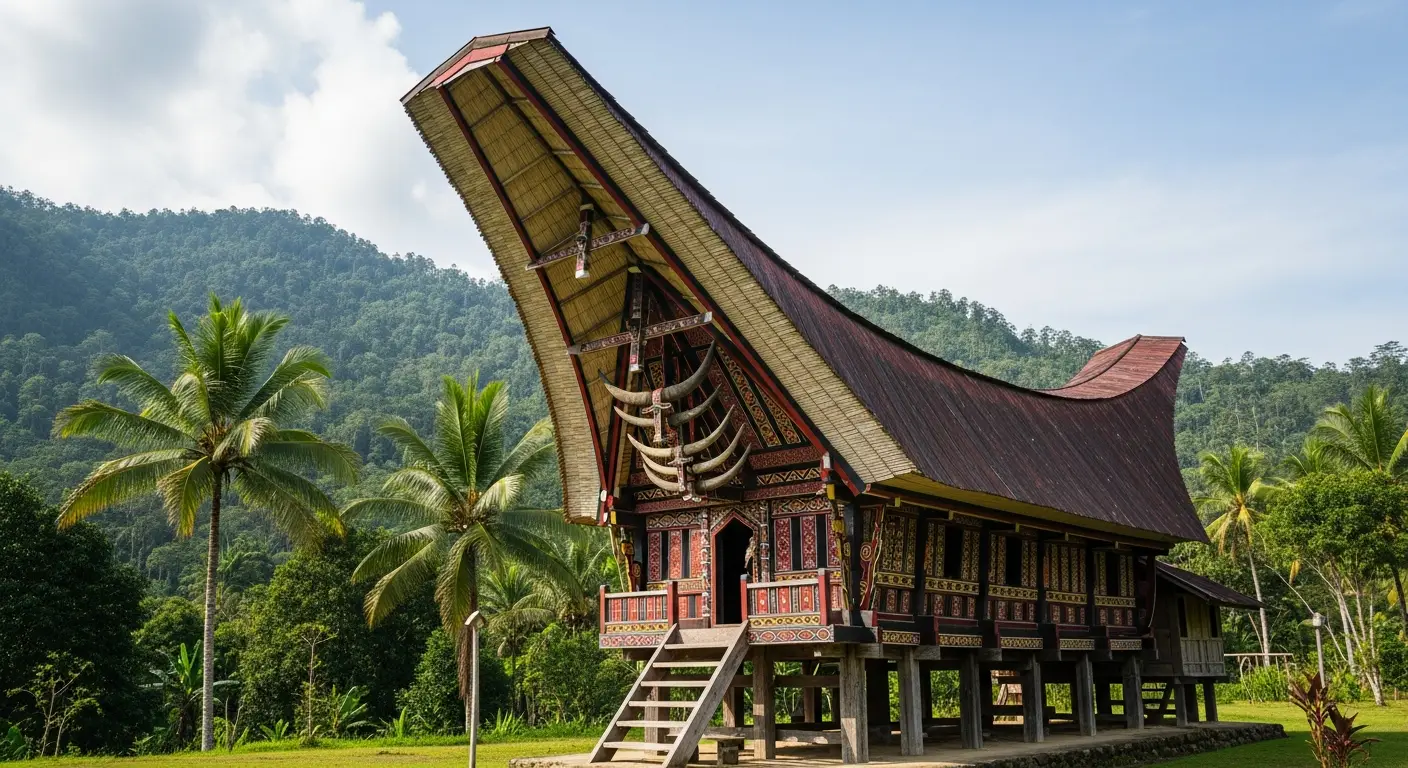
    The iconic Tongkonan houses serve as ancestral homes and are easily recognizable by their unique boat-shaped roofs. Visiting these houses provides insight into the Torajan way of life and their traditional beliefs.

    2. Kete Kesu Village

    This traditional village is famous for its Tongkonan houses, rice barns, and ancient burial sites. It’s also a UNESCO World Heritage Site and a great place to learn about Toraja culture.

    3. Funeral Ceremonies

    Attending a traditional Toraja funeral is a unique experience. These ceremonies are elaborate and can last for days, featuring music, dance, and feasting. Note that it’s essential to be respectful and seek permission before attending.

    4. Lemo and Londa Burial Sites

    These sites showcase how the Toraja people honor their dead. Lemo features cliffside graves, while Londa has caves where mummified bodies are kept. Both are significant for understanding Toraja’s ancestral beliefs.

    5. Batutumonga

    This area offers striking views over the Toraja landscape. It’s an excellent spot for trekking and experiencing the natural beauty of the region. Guided treks can be arranged for various skill levels.

    Cultural Experiences

    Settle in in the local culture by participating in various activities:

    • Cooking Classes: Learn to prepare traditional Torajan dishes using local ingredients.
    • Craft Workshops: Try your hand at traditional weaving or wood carving.
    • Local Markets: Visit traditional markets to experience daily life and shop for local crafts.

    Adventure Activities

    For those seeking adventure, Toraja offers various outdoor activities:

    • Trekking: Numerous trails lead through striking landscapes, rice terraces, and local villages.
    • Caving: Explore the numerous caves in the region, such as the famous Londa caves.
    • Mountain Biking: Rent a bike and explore the scenic routes around Toraja.

    Dining in Toraja

    Toraja’s culinary scene is diverse, featuring both traditional and modern Indonesian cuisine. Popular dishes to try include:

    • Pa’piong: Grilled meat wrapped in bamboo.
    • Roti Bakar: Toasted bread with various toppings.
    • Local Coffee: Toraja is known for its rich coffee, so be sure to sample it.

    Travel Tips for First-Time Visitors

    Before you begin your journey to Toraja, consider these travel tips:

    • Respect Local Customs: Toraja culture places a high value on respect, especially when attending ceremonies.
    • Dress Modestly: Wear appropriate clothing when visiting villages and during ceremonies.
    • Stay Hydrated: Carry water with you, especially during outdoor activities.
    • Learn Basic Bahasa Indonesia: Knowing a few phrases can enhance your interactions with locals.
    • Plan Your Itinerary: Research and plan your activities in advance to maximize your experience.

    Choosing the Perfect Toraja Tour Package

    For an enriching travel experience in Toraja, consider exploring options from Toraja Tour Package. This can help tailor your visit to match your interests, whether you’re drawn to the region’s cultural heritage, seeking adventure, or planning diving expeditions. Aligning a tour package with your preferences and budget ensures you make the most of your time in this captivating destination.

  • Travel guide: getting from Bali to Toraja step by step

    Traveling from Bali to Toraja involves a combination of flights and land transport. The journey typically takes 6-10 hours. Here’s how to do it step by step:

    • Fly from Bali to Makassar (1-2 hours).
    • Transfer from Makassar to Rantepao by car (8-10 hours).
    • Consider overnight stays for comfort.

    Overview of the Journey

    Getting to Toraja from Bali requires a bit of planning but is entirely manageable. Toraja, located in Sulawesi, is known for its unique culture, traditional houses, and elaborate funeral ceremonies. The main gateway to Toraja is the city of Makassar, where you will need to change your mode of transport.

    Step 1: Flight from Bali to Makassar

    To begin your journey, you will need to book a flight from Ngurah Rai International Airport (DPS) in Bali to Sultan Hasanuddin International Airport (UPG) in Makassar.

    Flight Options

    – **Airlines**: Garuda Indonesia, Lion Air, and Citilink are among the carriers that operate this route.
    – **Flight Duration**: Approximately 1-2 hours.
    – **Cost**: Round-trip fares typically range from $50 to $150, depending on the airline and how far in advance you book.

    Make sure to check for the latest flight schedules as they can vary, particularly during peak tourist seasons.

    Step 2: Transfer from Makassar to Toraja

    Once you arrive in Makassar, your next step is to reach Toraja. This part of the journey can be done via a pre-arranged transfer, a rental car, or a bus.

    Travel Options

    • Private Transfer: Many travel agencies offer private car services to Rantepao (the main town in Toraja). This option is the most comfortable and can be arranged in advance. Prices typically range from $100 to $150 for a car that seats up to four passengers.
    • Rental Car: Renting a car with or without a driver is another option. Prices start at around $40 per day, depending on the vehicle type.
    • Bus Service: If you’re looking for a budget option, consider taking a bus from Makassar to Rantepao. Buses depart from the Malengkeri terminal and cost around $10-$15. The journey takes about 8-10 hours and includes stops along the way.

    Travel Time

    Expect the drive from Makassar to Toraja to take anywhere from 8 to 10 hours. This can vary based on traffic and road conditions.

    Step 3: Arrival in Rantepao

    Upon arrival in Rantepao, you will be at the centre of Toraja. This town serves as a base for exploring the unique cultural heritage and natural beauty of the region.

    Accommodation Options

    Rantepao offers a range of accommodations to fit various budgets:

    • Luxury Hotels: Prices range from $80 to $150 per night.
    • Mid-range Hotels: Expect to pay between $30 and $80 per night.
    • Budget Hostels and Guesthouses: Rates can be as low as $10 to $30 per night.

    Best Time to Visit Toraja

    The best time to visit Toraja is during the dry season, which runs from May to September. This period offers pleasant weather for outdoor activities and cultural festivals.

    Exploring Toraja

    Once in Toraja, you can engage in various activities that showcase the region’s rich culture and striking landscapes.

    Cultural Heritage Tours

    Toraja is famous for its unique architecture and elaborate burial practices. Consider joining a guided cultural tour that includes:

    • Visiting traditional Tongkonan houses.
    • Participating in a funeral ceremony (if timing permits).
    • Exploring local markets and learning about traditional crafts.

    Outdoor Activities

    The region is also known for its natural beauty, offering opportunities for hiking, trekking, and exploring rice terraces. Popular trekking routes include the hills around Rantepao, providing striking views and a glimpse into daily life.

    Diving and Adventure Trips

    If you are interested in diving, consider extending your trip to explore nearby destinations like Bunaken or Raja Ampat. These locations offer world-class diving experiences with vibrant marine life.

    Practical Tips for Travelers

    – **Currency**: The Indonesian Rupiah (IDR) is the local currency. Ensure you have cash on hand as not all places accept cards.
    – **Language**: While Bahasa Indonesia is the official language, many locals in Toraja speak Torajanese. English may not be widely understood in rural areas.
    – **Health Precautions**: Ensure you have travel insurance and stay updated on any vaccinations recommended for Indonesia.

    How to Seamlessly Transition from Bali’s Beaches to Toraja’s Highlands

    Booking your flight early from Bali to Makassar is crucial to secure the best deals and schedule. Once you land, consider purchasing a bus ticket at the airport for a scenic journey to Toraja, or arrange for a private car if comfort is a priority. As you travel, relish the unfolding landscapes, from lush rice terraces to the dramatic highlands. Upon arrival, immerse yourself in the local culture by exploring traditional Torajan architecture and vibrant markets. For tailored travel options, explore [Toraja Tour Package](https://www.torajatourpackage.com) to customize your adventure.

  • How to get to Toraja from Makassar by bus, car, or flight

    To get to Toraja from Makassar, you have three main transportation options: bus, car, or flight. Each method has its advantages and costs.

    • Bus: Approximately 8-10 hours, costs around IDR 200,000-300,000.
    • Car: About 6-8 hours, with rental prices starting from IDR 500,000 per day.
    • Flight: 1-hour flight to Rantepao, prices vary widely.

    Overview of Transportation Options

    Traveling from Makassar to Toraja is a journey that offers a glimpse into the natural beauty and cultural richness of Sulawesi. Whether you choose to travel by bus, rent a car, or take a flight, each option has its own set of benefits.

    Traveling by Bus

    Taking a bus is the most economical way to reach Toraja from Makassar. The trip typically lasts between 8 to 10 hours, depending on traffic and road conditions. Here’s what you need to know:

    Bus Operators

    Several bus companies operate on this route, including:

    • **Pahala Kencana**
    • **Konsorsium**
    • **Trans Sulawesi**

    Cost and Booking

    Ticket prices generally range from IDR 200,000 to IDR 300,000. It’s advisable to book your tickets in advance, especially during peak tourist seasons (June to August and December). Tickets can be purchased at bus terminals or through online booking platforms.

    Bus Schedule

    Buses typically depart from the Makassar Bus Terminal (Terminal Malengkeri) and run several times a day. The journey may take longer due to frequent stops, so be prepared with snacks and entertainment.

    Comfort and Amenities

    Many buses offer air conditioning and comfortable seating, though the level of comfort can vary. If you’re looking for a more comfortable experience, consider opting for an executive class bus, which may include reclining seats and on-board refreshments.

    Traveling by Car

    Renting a car provides flexibility and the opportunity to explore the striking landscapes along the way. The drive from Makassar to Toraja usually takes around 6 to 8 hours.

    Car Rental Services

    Car rental is readily available in Makassar. You can choose to rent a car with or without a driver. Prices start at around IDR 500,000 per day for a standard vehicle. A driver can cost an additional IDR 200,000 to IDR 300,000 per day.

    Driving Route

    The most common route is via the Palopo road. This route is scenic but can be challenging due to winding roads. Make sure to fuel up before the journey, as gas stations may be sparse along the way.

    Navigation Tips

    Using a GPS or a mobile map app is recommended, as road signs may not always be clear. Be cautious of local traffic conditions and be prepared for unexpected delays.

    Traveling by Flight

    Flying is the fastest way to get to Toraja. There are no direct flights to Toraja, but you can fly from Makassar to Rantepao, the closest airport to Toraja.

    Flight Options

    The flight duration is approximately 1 hour. Airlines such as **Wings Air** operate this route, but schedules can be limited, so checking in advance is essential.

    Cost and Booking

    Flight prices can vary widely, typically ranging from IDR 600,000 to IDR 1,500,000 depending on the season and how far in advance you book. Tickets can be purchased through airline websites or travel agencies.

    Arriving in Rantepao

    Upon arrival at Rantepao Airport, you can take a taxi or arrange for a pickup service to your accommodation in Toraja. Taxi fares to the main tourist areas in Toraja typically cost around IDR 200,000.

    Best Time to Visit Toraja

    The best time to visit Toraja is during the dry season, which runs from May to September. During this time, the weather is conducive for outdoor activities and cultural events.

    Peak Tourist Season

    Expect larger crowds during the peak months of June to August and around major local festivals, such as the Rambu Solo (funeral ceremony).

    Off-Peak Travel

    Traveling during the shoulder season (April and October) may provide a more tranquil experience, with fewer tourists and potentially lower prices for accommodations and tours.

    Travel Options from Makassar to Toraja: Choosing the Best for Your Journey

    Traveling from Makassar to Toraja by bus offers a budget-friendly option, with several daily departures that provide a chance to enjoy the scenic landscapes of South Sulawesi. If you prefer the convenience of a self-paced journey, renting a car allows for stops at points of interest along the way. For those short on time, taking a flight from Makassar to Toraja is the quickest option, with flights landing at Pongtiku Airport in Rantepao.

    Explore tailored experiences by visiting [torajatourpackage.com](http://torajatourpackage.com), where you can find cultural heritage tours, adventure trips, and diving expeditions that showcase the best Toraja has to offer.

💬